


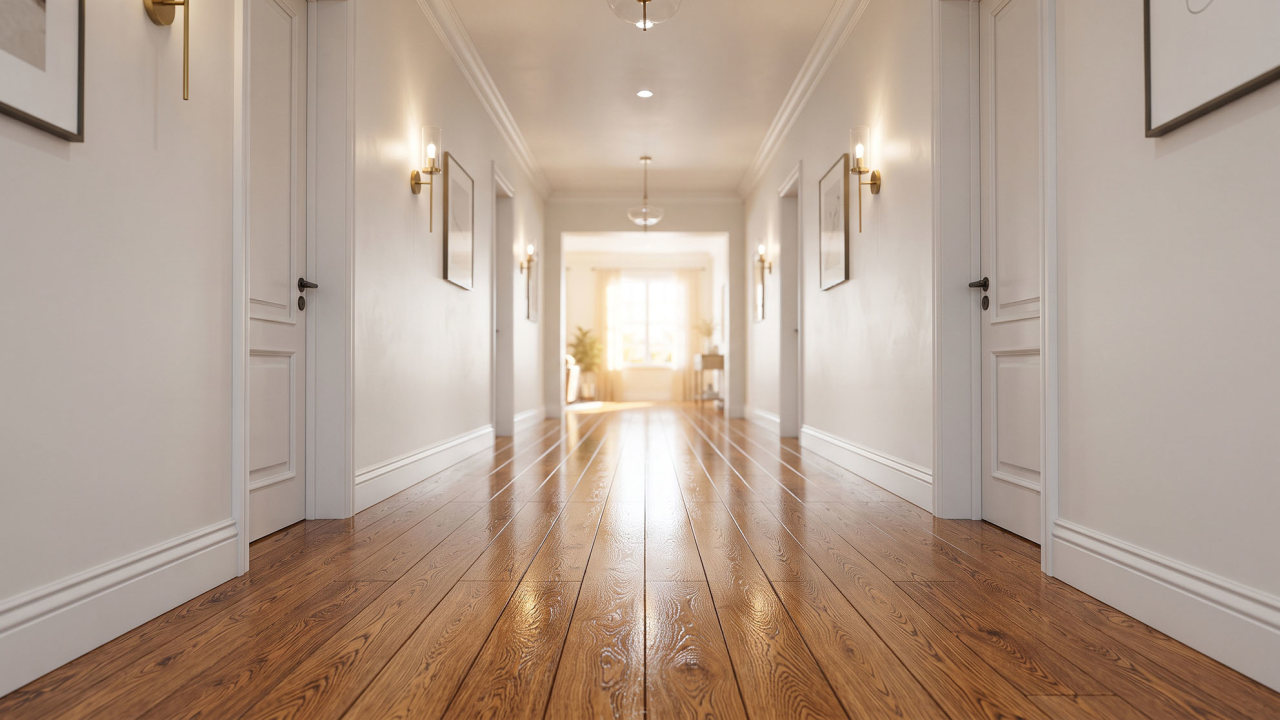
Light, airy wood finishes have reshaped contemporary residential design. The heavy, dark stains of past decades are giving way to soft sand, warm wheat, and weathered gray tones inspired by natural coastal landscapes. Choosing a sand or driftwood tone for your hardwood floors creates an open, clean foundation that brightens rooms and pairs effortlessly with a wide range of decorating styles.
Why Soft Wood Tones Are Redefining Modern Interiors
Dark hardwood floors undeniably offer dramatic elegance, but they also show dust, pet hair, and surface scratches almost immediately. Light-toned wood flooring offers a practical, beautiful alternative. Sand and driftwood finishes reflect natural daylight rather than absorbing it, making rooms feel larger, brighter, and more inviting.
These neutral palettes adapt seamlessly across various interior design aesthetics. Whether your home favors organic modern decor, relaxed Scandinavian styling, or classic casual comfort, pale wood tones build a quiet background that lets furniture and architectural accents shine.
Key Color Profiles: From Pale Sand to Weathered Gray
The coastal wood palette spans several distinct tone families, each bringing a unique energy to a living space:
Pale Sand & Warm Blonde: These shades feature subtle undertones of warm beige and honey. They add warmth to bright rooms without turning yellow or overly golden, making them ideal for spaces with abundant natural light.
Driftwood Gray: Inspired by ocean-weathered timber, these tones feature soft gray hues layered over natural wood grain. They bring a sophisticated, modern feel that balances warm and cool interior elements.
Greige & Ash: A hybrid blend of warm beige and cool gray, greige offers ultimate color versatility. It works exceptionally well in open floor plans, effortlessly connecting rooms with varying accent colors.
Choosing the Right Wood Species and Grain Structure
Color is only half the equation; the underlying wood species dictates how the grain interacts with light stains.
White Oak is the most popular choice for sand and driftwood finishes. Its neutral raw tone lacks the heavy red or yellow undertones found in Red Oak, allowing light glazes and wire-brushed treatments to take hold cleanly. European Oak is another standout, prized for wide plank formats and subtle, linear grain patterns that emphasize an organic look.
Hickory offers a bolder visual choice. Its dramatic natural grain variations—ranging from blonde sapwood to dark heartwood—create a striking, rustic driftwood effect when treated with light matte stains.
Pairing Sand Tones with Furniture and Decor
Designing around sand and driftwood flooring is straightforward due to the flexible nature of pale wood.
To complement light floors, layer in rich textures like linen curtains, woven wool rugs, and matte metal fixtures. For wall paint, warm off-whites, muted sage greens, soft blues, and subtle charcoal accents create balanced contrast. Dark furniture pieces—such as black iron coffee tables or navy upholstered sofas—anchor the room so light floors don't feel floating or washed out.
Maintaining the Natural Brilliance of Light Wood Floors
Light hardwood floors excel at disguising daily dust and minor scuffs, but proper care keeps their matte, natural finish looking fresh for years.
Use dry microfiber dust mops daily to prevent loose dirt from acting like sandpaper on the protective clear coat. When damp mopping, use a dedicated hardwood floor cleaner recommended for polyurethane or natural oil finishes. Avoid harsh chemicals, steam mops, or wax treatments that leave film deposits and dull the soft coastal patina.
Incorporating sand and driftwood hardwood into your home creates a timeless, relaxed atmosphere that elevates your interior design while providing a durable floor surface built for everyday living.


