


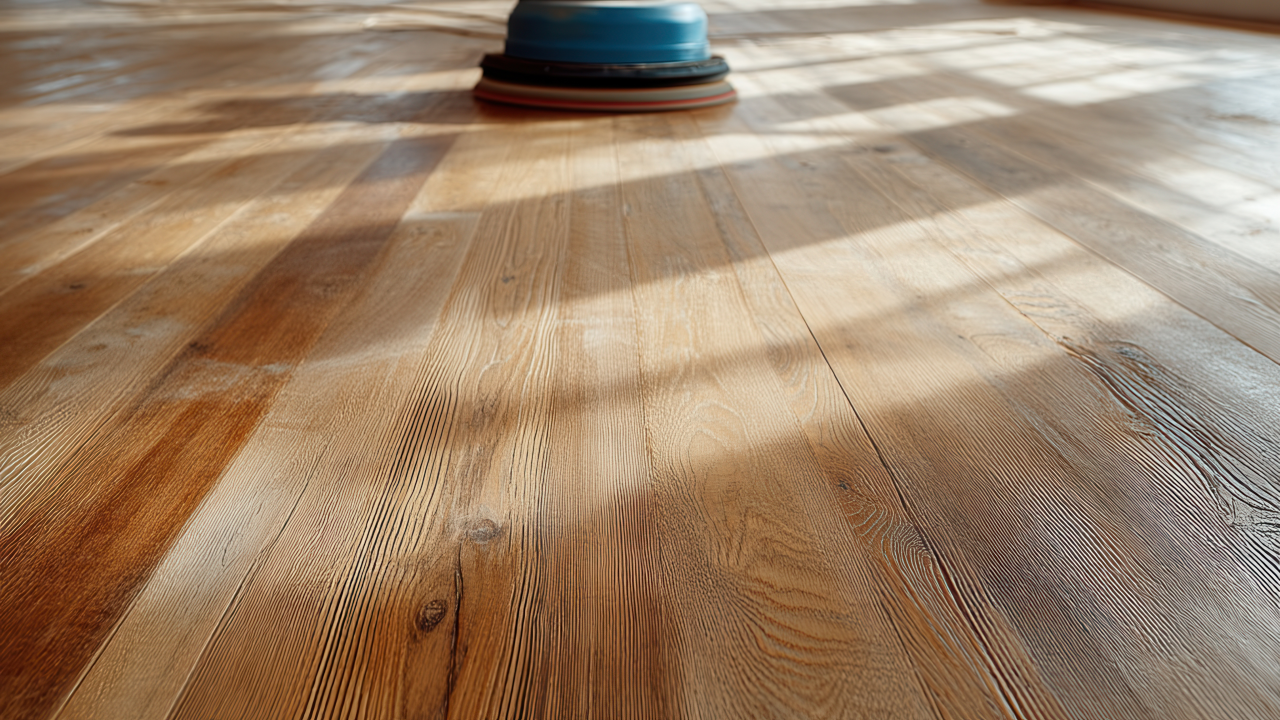
Hardwood flooring remains one of the most durable and valuable investments you can make for your home. However, years of foot traffic, moving furniture, changing pet nails, and exposure to humidity eventually take a toll on even the highest-quality wood floors. When your floors start showing wear, you face a major home improvement decision: should you refinish the existing wood or replace it entirely?
Understanding the physical condition of your flooring and your long-term interior goals helps you choose the most practical and cost-effective path forward.
Assessing the Surface: Scratches, Scuffs, and Dulls
Before making a decision, take a close look at the exact type of damage on your floors. Many floor surface issues look far worse than they actually are.
Light scratches in the top protective coat, minor color fading from sunlight, and dull finish in high-traffic hallways are strictly cosmetic issues. If the wood planks themselves remain flat, sound, and tightly fitted together, these surface flaws can usually be erased through refinishing. Sanding down the top coat and applying fresh stain and polyurethane returns the floor to like-new condition without requiring full replacement.
When Refinishing Makes the Most Sense
Refinishing is often the ideal choice when working with solid hardwood flooring that is structurally sound. Key reasons to refinish include:
Preserving Original Character: Older homes often feature thick, high-grade oak, maple, or heart pine planks that are difficult or expensive to match with modern wood products.
Changing Floor Stain Color: Refinishing allows you to completely transform your room’s look—taking dark espresso floors down to light blonde or shifting reddish tones to modern neutral grays.
Cost Efficiency: If the floor boards are in solid shape, sanding and refinishing yields a brand-new appearance at a lower material cost than full floor removal and replacement.
Solid hardwood can typically be sanded and refinished 4 to 6 times over its lifespan, provided there is enough wood thickness left above the tongue-and-groove joint.
Signs That Point to Full Replacement
While refinishing works wonders on surface wear, structural problems and material limitations necessitate full floor replacement. Consider replacing your hardwood if you notice the following issues:
Deep Structural or Water Damage: Substantial water leaks can cause wood boards to warp, cup, buckle, or rot. Once the structural core of the plank degrades, sanding will not restore flat, stable boards.
Thin Wear Layers: Engineered hardwood floors feature a real wood veneer over a plywood core. Depending on the thickness of that top layer, engineered floors can only be sanded once or twice—or sometimes not at all. If the wear layer is exhausted, replacement is necessary.
Excessive Gapping and Squeaking: Severe shrinkage over decades can create wide gaps between boards that accumulate dirt and cannot be filled reliably. Loose subfloors and squeaking across entire rooms point toward replacement and subfloor repairs.
Changing Plank Dimensions: If you want modern wide-plank wood (6 inches or wider) to replace narrow 2.25-inch strip flooring, refinishing will not achieve that visual transformation.
The Advantage of Modern Hardwood Products
If replacement turns out to be the best option for your space, modern hardwood manufacturing offers significant advantages over older floor options. Today’s engineered hardwood features enhanced dimensional stability that resists expanding and contracting during seasonal humidity shifts. Additionally, factory-applied ceramic or aluminum-oxide finishes offer scratch resistance far superior to job-site finishes.
Evaluating the structural integrity, plank thickness, and design goals for your floor guarantees you invest wisely in your home’s long-term beauty and functionality.


