


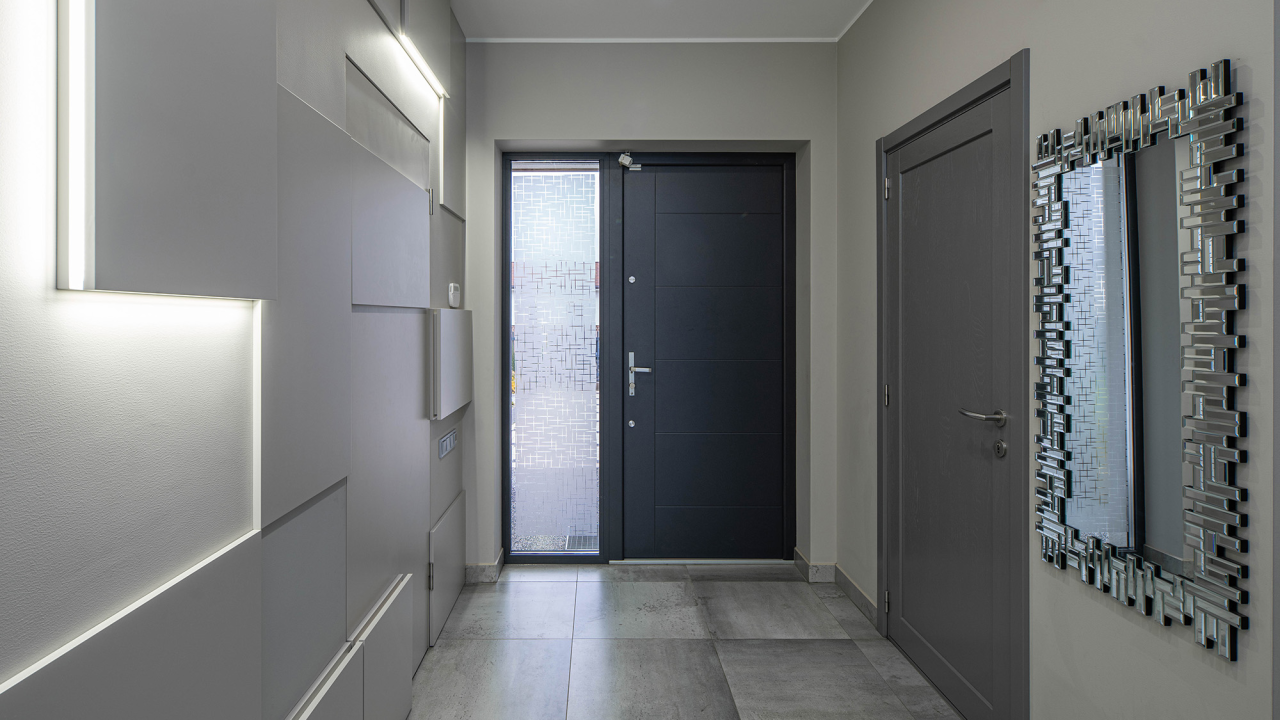
Choosing the ideal tile for your home involves more than just picking a color or pattern. In Ocala, Florida, where warm temperatures, seasonal humidity, and outdoor living define daily life, floor and wall materials must withstand environmental pressure alongside heavy foot traffic. Both porcelain and ceramic tile belong to the ceramic family, yet their distinct manufacturing processes result in different performance profiles, water absorption rates, and recommended applications.
Clay Composition and Manufacturing Differences
Understanding the structural difference between porcelain and ceramic starts with the raw materials. Ceramic tile is crafted from a mixture of red, brown, or white natural clay combined with mineral additives and water. Once shaped, the tiles are fired in a kiln at moderate temperatures. This process yields a lighter, slightly more porous body that is easy to cut and install.
Porcelain tile uses a refined blend of fine kaolin clay, feldspar, quartz, and silica. This mixture is subjected to extreme pressure before being fired in kilns at significantly higher temperatures than ceramic. The intense heat causes the materials to vitrify, melting them into a dense, glass-like structure. This high-density core gives porcelain its exceptional strength and resistance to moisture penetration.
Water Absorption: Navigating Ocala's Humidity
Central Florida’s humid climate makes water absorption a critical factor when choosing indoor and outdoor flooring. The tile industry classifies tile based on its density and rate of water absorption:
Porcelain Tile: To earn a official porcelain designation, a tile must have a water absorption rate of 0.5% or less. This near-impermeability makes porcelain impervious to standing water, heavy humidity, and temperature shifts. It performs flawlessly on outdoor lanais, open sunrooms, pool decks, and walk-in shower floors.
Ceramic Tile: Ceramic carries a higher water absorption rate, usually ranging between 3% and 7%. While glazes protect the top surface from water spills, the underlying clay body can absorb moisture if exposed to standing water over long periods. As a result, standard ceramic tile is best suited for dry indoor living areas, kitchen backsplashes, and interior accent walls.
Surface Durability for High-Traffic Living
Ocala homes often feature dynamic indoor-outdoor floor plans, equestrian lifestyles, and pets tracking in sandy soil. Sand acts like grit underfoot, wearing down softer flooring finishes over time.
Porcelain tiles generally rank higher on the Porcelain Enamel Institute (PEI) scale, making them resistant to deep abrasion, heavy furniture weight, and claw scratches. Many porcelain tiles also feature "through-body" coloring, meaning the color extends through the entire tile thickness. If a heavy object chips the surface, the damage remains virtually unnoticeable.
Ceramic tiles typically feature a surface glaze baked over a contrasting clay body. While this surface glaze is durable enough for normal residential wall and light floor traffic, a deep chip can expose the underlying clay layer, making porcelain the clearer choice for high-traffic entryways and main living areas.
Style and Application Across the Home
Both materials offer incredible visual variety, but their physical attributes make them excel in different rooms:
Ceramic Applications: Ceramic tile remains a classic choice for kitchen backsplashes, bathroom accent walls, and decorative surrounds. Its lighter weight makes it easier to install on vertical surfaces, and its softer composition allows installer precision around outlets and corners.
Porcelain Applications: Porcelain dominates expansive floor plans, open kitchens, high-traffic corridors, and exterior patios. Advanced digital printing allows porcelain to convincingly recreate natural slate, marble, travertine, and hardwood planks without requiring specialized natural stone sealers.
Selecting the Best Tile for Your Ocala Renovation
Evaluating your room’s exposure to moisture, sunlight, and heavy foot traffic determines whether ceramic or porcelain offers the best return on investment. For wall accents and decorative vertical surfaces, ceramic delivers warmth, color, and cost-effective beauty. For main living floors, kitchens, bathrooms, and exterior transitions, porcelain’s dense construction offers reliable long-term durability.


