


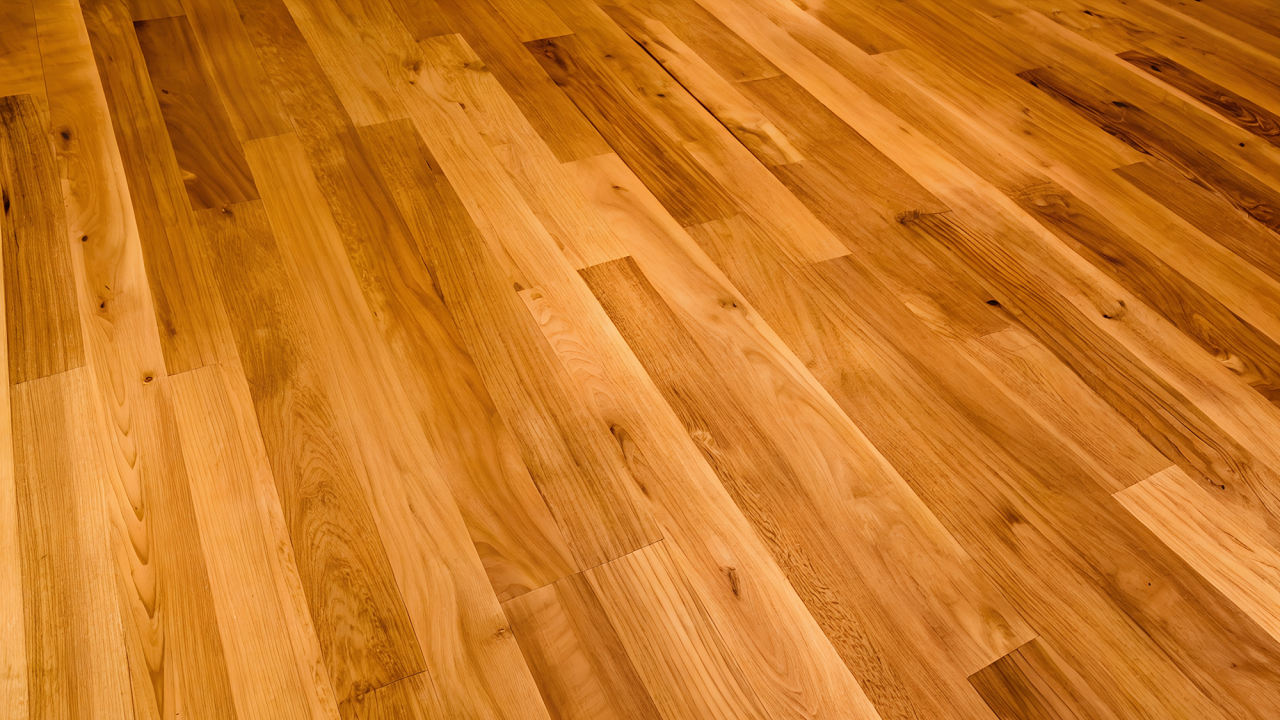
Hardwood flooring introduces unmatched warmth, natural grain, and architectural value into any living space. However, maintaining real wood floors in Ocala, Florida requires a clear strategy for managing humidity and moisture. Understanding how environmental moisture interacts with timber allows homeowners to enjoy real wood flooring while preventing warping, cupping, or premature surface wear.
The Impact of Central Florida's Relative Humidity
Wood is an organic, hygroscopic material, meaning it constantly absorbs and releases moisture to stay in equilibrium with its surrounding atmosphere. When indoor humidity rises, wood expands; when the air turns dry, wood contracts.
In Central Florida, summer relative humidity outdoors routinely exceeds 80%, while indoor air conditioning drops internal moisture levels significantly. This contrast creates vapor pressure around your home's foundation and exterior walls. If relative indoor humidity fluctuates beyond the ideal 35% to 55% range, hardwood boards can experience dimensional stress, leading to small gaps between planks during dry stretches or edge cupping during humid months.
Solid vs. Engineered Hardwood on Slab Foundations
Most homes in the Ocala region are built on concrete slab foundations. Concrete is porous and continuously wicks ground moisture upward from the soil, making the choice between solid and engineered hardwood essential:
Solid Hardwood: Milled from a single piece of timber, solid hardwood expands uniformly across its width. Direct installation of solid wood over concrete slabs carries a high risk of moisture damage unless extensive elevated subfloor systems are installed first.
Engineered Hardwood: Engineered wood features a top wear layer of real natural hardwood bonded over multiple cross-grained layers of structural plywood or high-density core material. This cross-ply structure cancels out the wood's natural tendency to expand and contract, providing dimensional stability over concrete slabs and under fluctuating humidity.
Critical Installation Barriers and Subfloor Preparation
Protecting hardwood floors begins beneath the wood itself. Proper subfloor preparation prevents ground moisture from ever reaching your finished floor boards.
Prior to installation, technicians conduct moisture testing using pinless meters or calcium chloride tests to measure the slab's relative moisture emission rate. If levels exceed manufacturer thresholds, a high-performance liquid epoxy vapor retarder or specialized acoustic membrane is applied across the concrete. This barrier seals the foundation, stopping moisture vapor from migrating into the hardwood above.
Everyday Care and Climate Control Best Practices
Long-term hardwood protection relies on consistent home climate management and smart cleaning habits:
Maintain Consistent HVAC Settings: Keep your air conditioner or dehumidifier running year-round, even when away on vacation. Dropping climate control for extended periods allows indoor humidity to spike, leading to plank distortion.
Avoid Water-Heavy Cleaning Methods: Steam mops and saturated wet mops force water into seam joints and beneath clear coats, causing wood fibers to swell and clouding protective finishes. Use a dry microfiber dust mop paired with a designated spray cleaner designed for wood.
Manage Outdoor Entryways: Place absorbent walk-off mats at exterior entryways to catch rainwater, mud, and fine sand before foot traffic hits your wood floors. Clean up liquid spills immediately with a dry cloth.
Investing in Long-Term Hardwood Performance
Living in Central Florida does not mean giving up on real wood floors. By selecting engineered hardwood structures built for local slab conditions and utilizing proper vapor barriers during installation, you establish a resilient foundation that preserves your floor's beauty across every season.


