


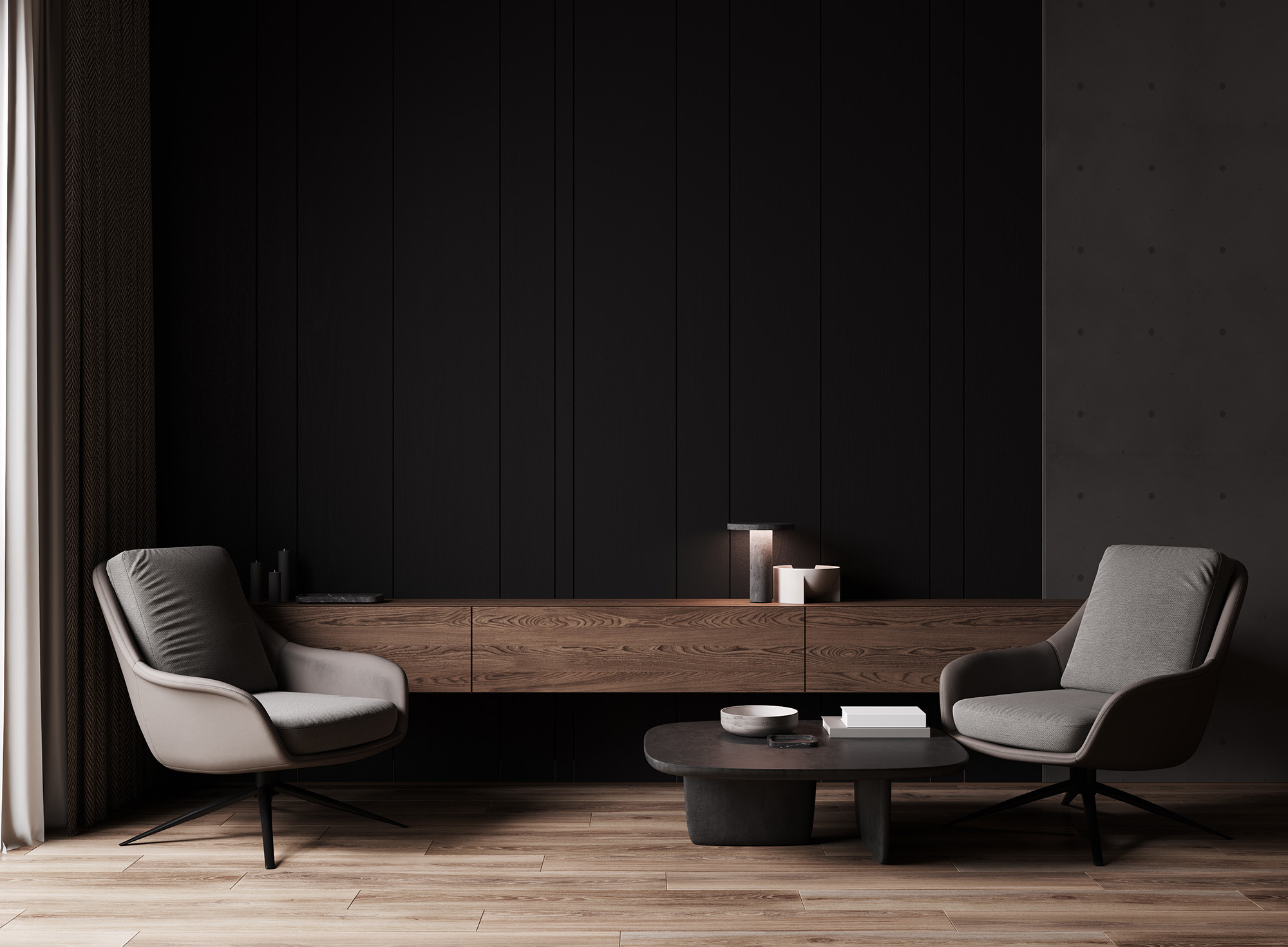
Creating a cohesive home design does not mean you have to use the exact same flooring material in every single room. In fact, mixing different textures and materials is one of the best ways to define specific zones in an open-concept layout. The secret lies in understanding how to transition between materials like tile, hardwood, and accent glass to create a harmonious flow.
Balancing Practicality and Aesthetics
Every room in your home serves a different purpose, and your flooring choices should reflect that. For example, you may dream of the warmth of natural hardwood flowing through your living room and dining areas, but require the waterproof durability of porcelain tile for your kitchen and mudroom. By selecting materials that complement each other's color undertones, you can transition smoothly from wood to tile without creating a jarring visual break.
Creating Focal Points with Accents
Once your foundational flooring is established, you can use specialty materials like glass tile to tie the look together. A stunning glass mosaic backsplash in the kitchen can pull colors from both your dark hardwood dining floors and your light ceramic kitchen floor tiles. This creates a deliberate, professional look where every material feels like it was chosen with intention rather than picked at random.
Mastering the Transitions
The key to a successful multi-material home is the transition itself. Using low-profile transition strips, t-molding, or custom stone thresholds ensures that the boundary where your hardwood meets your tile is clean, safe, and visually appealing. When done correctly, mixing materials adds incredible architectural interest and depth to your living space.
Visit the Fred Nickel Tile showroom today to explore our stunning collection and find the perfect material combination for your space.


