


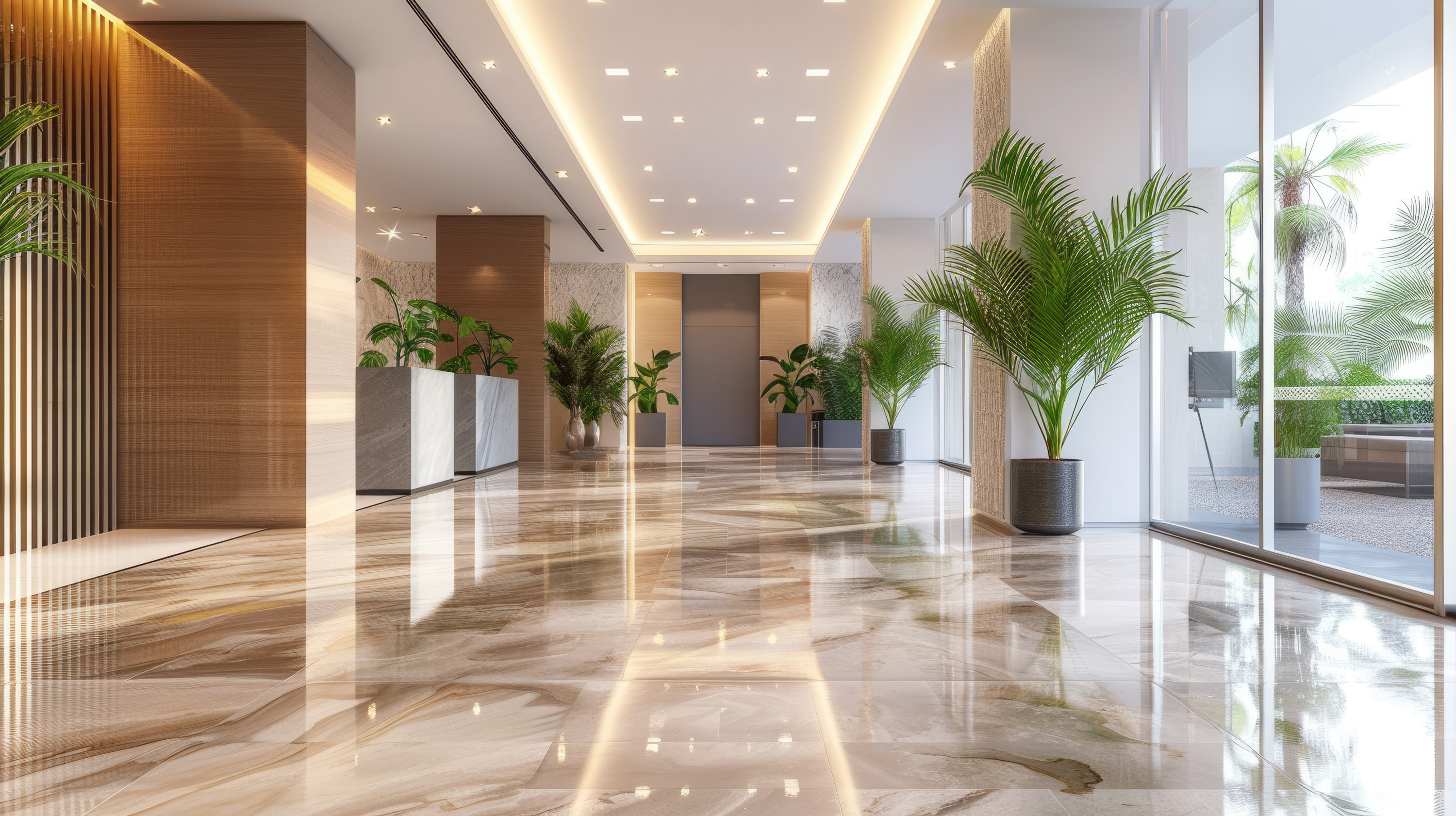
Foyers, kitchens, main hallways, and mudrooms take the brunt of daily residential activity in Ocala. From dirt and sand tracked in from outdoor adventures to equestrian equipment, pet paws, and busy family mornings, floor surfaces in these active zones face constant friction and wear.
Selecting tile for high-traffic areas requires looking beyond surface colors and patterns. You must evaluate technical specifications like structural density, abrasion resistance, and surface slip protection to ensure your floors look brand new after years of heavy foot traffic.
Why Porcelain Wins for Durability and Wear
While both ceramic and porcelain tile are popular options, porcelain is the top performer for high-traffic installations. Porcelain is made from refined clay fired at extremely high temperatures, resulting in a floor unit that is denser, harder, and less porous than standard ceramic.
Key reasons to choose porcelain for busy rooms:
Through-Body Color Options: Many porcelain tiles feature color throughout the full thickness of the tile. If a heavy object drops and chips the surface, the mark is far less noticeable.
Scratch Resistance: Dense surfaces resist scratching from grit, sand, and pet nails.
Stain Resistance: Low porosity keeps spilled liquids, cooking oils, and mud from penetrating the surface.
Understanding PEI Ratings and Texture Requirements
To pick the right tile, look at its Porcelain Enamel Institute (PEI) rating, which measures surface wear resistance on a scale from 0 to 5:
PEI 3: Suitable for moderate residential foot traffic (bedrooms, residential bathrooms).
PEI 4: Ideal for high-traffic residential spaces (kitchens, entryways, hallways, family rooms).
PEI 5: Heavy-duty performance suitable for commercial spaces and ultra-high-traffic residential areas.
Safety underfoot is equally critical in high-traffic zones, especially near outdoor entry points where wet shoes track in rain. Choose tiles with a slightly textured finish or a high Dynamic Coefficient of Friction (DCOF) rating to provide reliable grip and prevent slipping.
Smart Layouts, Color Selection, and Grout Longevity
Designing for high traffic also involves practical color and grout choices. Mid-tone neutrals, wood-look plank patterns, and variegated stone textures conceal daily dust and dirt better than solid bright-white or jet-black surfaces.
Pairing your tile with stain-resistant high-performance grout—or selecting narrower grout lines made possible by rectified tile edges—reduces maintenance efforts and keeps high-traffic pathways clean. Choosing the proper materials upfront ensures your home's busiest pathways stay beautiful and resilient.


